
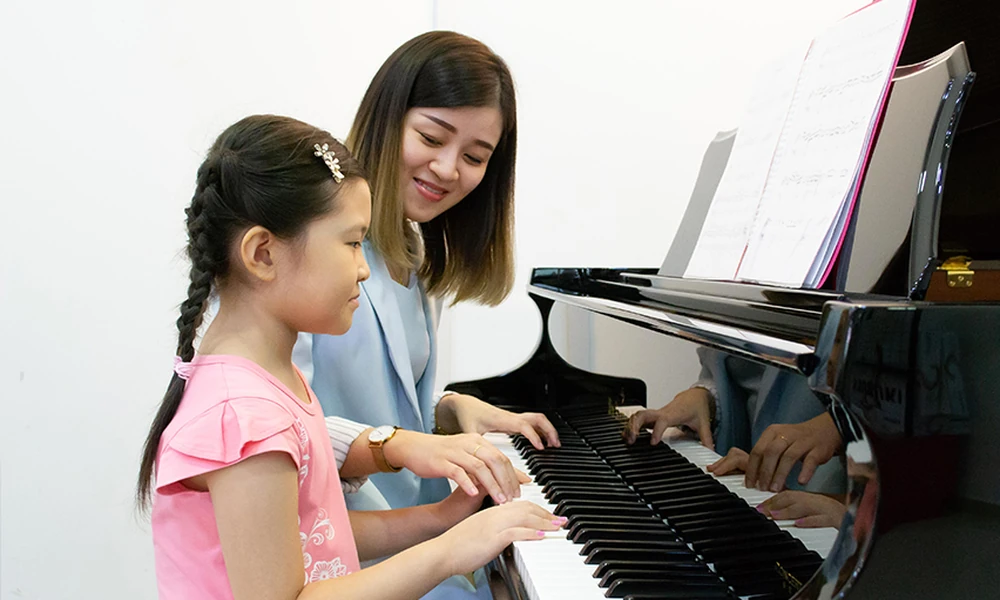

Before a parent enrols a child in piano lessons, or an adult signs up for their first session, the question that comes up almost immediately is cost. Piano lesson fees singapore music schools charge vary significantly depending on the teacher’s qualifications, the lesson format, the duration, and the school’s location and reputation. Understanding what drives these differences makes it easier to compare options meaningfully rather than simply choosing the cheapest available.
The fee structure for piano lessons in Singapore generally reflects three tiers, private home tutors, who tend to be less expensive but offer variable quality and limited accountability; private music schools with employed or affiliated instructors, which offer more structured programmes at mid-range pricing, and established music academies with experienced faculty, examination pathways, and structured curricula, which typically charge at the higher end of the market.
What Drives the Fee Differences
Teacher qualifications are the primary driver of lesson fees. An instructor with an ABRSM Diploma in Music Teaching, a degree in music performance or music education, or significant professional performance experience commands higher fees than one with a Grade 8 certificate and limited teaching experience. The difference in instructional quality typically justifies the fee difference for serious students.
Lesson duration matters too. A thirty-minute lesson, standard for young beginners, costs less than a forty-five or sixty-minute lesson appropriate for intermediate and advanced students. The per-minute cost, however, is similar across durations at quality schools.
Group lessons, where available, significantly reduce the per-student fee. The trade-off is that individual progress moves at the pace of the group and the instructor’s attention is shared. Group lessons work well for students in the early stages or for supplementary musicianship development alongside individual lessons.
Piano lesson fees singapore at Harmony & Pitch are priced to reflect the qualifications of its instructors and the structured nature of the programmes offered, while remaining accessible to Singapore families across a range of budgets.
What Is Included in the Fee
When comparing fees across schools, it is important to clarify what is included. Some schools include registration fees, course materials, recital participation, and theory workbooks within the term fee. Others charge for these separately, making the headline lesson fee appear lower than the actual total cost.
Harmony & Pitch is transparent about what is covered in its lesson fees. Registration, access to the school’s practice facilities, and participation in student recitals are included in the programme structure. Theory workbooks used in lessons are provided at cost, with no markup.
The examination fee for ABRSM or Trinity graded examinations is separate from lesson fees and is paid directly to the examination board. Teachers provide adequate preparation within regular lesson time without requiring additional paid preparation sessions as a condition of entering the examination.
The Value of Examination Preparation
Singapore’s strong tradition of ABRSM examination participation means that many families view a piano programme through the lens of grade progression. A school that structures its teaching around examination preparation provides a clear and internationally recognised measure of the student’s progress.
Harmony & Pitch prepares students for examinations as part of the regular lesson structure. Students entering examinations receive targeted work on the specific technical and performance requirements of the relevant grade level, without the need for extra-cost examination preparation courses.
What to Ask Before Enrolling
Before committing to a piano lesson programme, it is worth asking several questions. What are the qualifications of the instructor who will be teaching? Can the instructor demonstrate specific experience with students at the same level and age as the child? What is the school’s policy on instructor changes during the academic year? Are there trial lessons available before full enrolment?
The answer to these questions reveals whether a school’s fees reflect genuine quality or primarily convenient location. A school willing to answer these questions directly and with specific detail is typically one that has the substance to back up its fees.
Piano tuition at a well-run school is an investment that compounds over time: skills developed in early years provide the foundation for more advanced learning later. For Singapore families and adult learners comparing piano lesson fees singapore schools charge, understanding what drives those fees is the starting point for choosing a programme that delivers lasting value.




Leave a Comment