


Online education has already transformed how people learn, but its next phase is expected to move far beyond passive recorded lectures. While recorded videos offer flexibility and accessibility, they often lack interaction, personalization, and real-time feedback. The future of digital learning is likely to be shaped by artificial intelligence, immersive technologies, and highly adaptive learning systems.
Even in coastal towns like Grimsby, where learners may balance education with work or family commitments, these innovations could redefine how education is accessed and experienced.
Why Recorded Videos Are No Longer Enough
Recorded lectures were once revolutionary because they allowed learners to study at their own pace. However, they present several limitations:
- No real-time clarification of doubts
- Limited engagement and interaction
- Same content for all learners regardless of ability
- Low personalization
Modern education trends show a shift toward interactive, learner-centered models. Today, students expect learning experiences similar to conversations rather than one-way content delivery. Research shows that digital education is moving toward personalized and interactive learning pathways rather than static content consumption.
In places like Grimsby, where access to physical universities may require travel, the need for engaging remote education is even more relevant.
Artificial Intelligence and Personalised Learning
Artificial intelligence is expected to play the biggest role in shaping the future of online education.
Key AI-driven improvements include:
- Real-time feedback on assignments
- Adaptive lessons based on performance
- Automated assessment and grading
- Early detection of learning gaps
Studies show that adaptive learning platforms can improve student retention by up to 30%. Additionally, a large percentage of educational institutions already use or plan to integrate AI into teaching systems.
For students in Grimsby studying remotely, AI tutors could provide 24/7 academic support, reducing reliance on fixed class schedules.
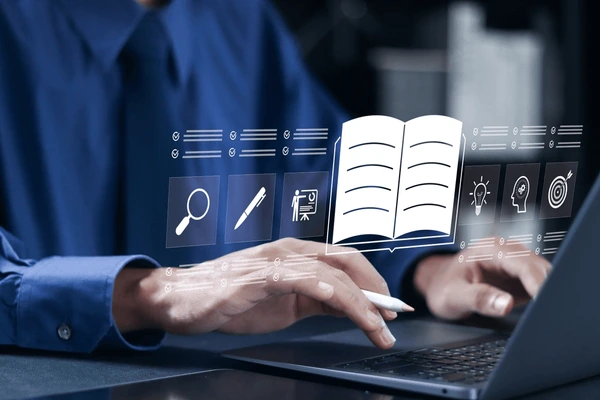
Interactive AI-Powered Video Learning
Instead of replacing videos completely, future systems may transform them into interactive learning tools. New research shows lecture videos can be enhanced using AI avatars that answer student questions, provide explanations, and generate quizzes in real time.
Emerging features include:
- Asking questions directly inside video lessons
- Personalized explanations based on learner progress
- Automatic summaries and highlights
- Adaptive quizzes during lessons
Another system uses avatar-based teaching and real-time content retrieval to turn passive video watching into a two-way learning interaction.
For learners in Grimsby, this means online lessons could feel closer to a live classroom experience.
Virtual Reality and Immersive Learning
Immersive technologies are expected to redefine practical learning in online education.
Future applications include:
- Virtual science laboratories
- Historical simulations
- Technical skill training environments
- Collaborative virtual classrooms
The education VR market is projected to grow significantly, with many global companies already adopting VR training methods.
For students in Grimsby, VR learning could allow participation in experiences that are otherwise geographically limited.
Microlearning and Flexible Skill-Based Education
The future of online education is also moving toward shorter, skill-focused content.
- Microlearning benefits include:
- Better knowledge retention
- Easier integration into daily schedules
- Faster skill acquisition
- Reduced learning fatigue
The Shift Toward Skill and Workforce Education
Global trends show online education is becoming more career-focused.
Large-scale programs are already aiming to train millions of learners in advanced technologies like AI and cybersecurity.
This shift indicates that future online education will prioritize:
Grimsby’s learning landscape is transforming! Online education now means AI tutors, VR, and bite-sized modules, making top-notch learning accessible, flexible, and career-driven. Tech boosts teachers, puts students in the driver’s seat. It’s about engaging, experiencing, and adapting, not just watching.
This shift is shaping the future of global learning, empowering communities like Grimsby with personalised, interactive, and immersive experiences that prep learners for success.


Leave a Comment