


Starting Primary 1 is a big step for both children and parents. It is often the first time a child experiences a more structured school routine, longer lessons, homework, and regular assessments. For some families, choosing a primary 1 tuition centre can be a helpful way to support this transition and build a stronger learning foundation from the start.
Primary 1 tuition is not just about getting ahead. At this stage, children need guidance to understand new concepts, develop good habits, and feel confident in class. Before starting tuition, parents should know what to expect, what to look for, and how to make the experience positive for their child.
Why Primary 1 Is an Important Year
Primary 1 introduces children to a new learning environment. Lessons become more formal, and children are expected to listen carefully, follow instructions, complete tasks, and manage simple school responsibilities.
Building Strong Foundations Early
In Primary 1, children begin strengthening basic skills in English and Mathematics. These skills are important because they support learning in later years.
For English, children work on reading, writing, speaking, listening, vocabulary, and grammar. For Mathematics, they learn number sense, basic operations, patterns, shapes, and problem-solving.
When a child has gaps in these early areas, it can become harder to keep up as topics become more complex. A good primary 1 tuition centre can help children revisit these basics in a clear and steady way.
Helping Children Adjust to School Expectations
Primary school is different from preschool. Children may need time to get used to:
- Sitting through longer lessons
- Understanding worksheets and instructions
- Completing homework independently
- Asking questions when they are unsure
- Managing simple tests or class activities
Tuition can provide extra practice and guidance, but it should not add unnecessary pressure. The goal should be to help children feel more prepared and less overwhelmed.
What Parents Should Consider Before Starting Tuition
Not every child needs tuition for the same reason. Some children may need help with specific subjects, while others may benefit from extra confidence and structure.
Know Your Child’s Learning Needs
Before enrolling your child, observe how they respond to schoolwork. Do they struggle to read instructions? Do they avoid writing? Do they get confused with numbers? Do they lose focus quickly?
These signs can help you understand what kind of support they need. Tuition works best when it matches the child’s actual learning needs, not just the parents’ worries.
Look for Concept-Based Learning
At Primary 1, children should not simply memorise answers. They need to understand why something works.
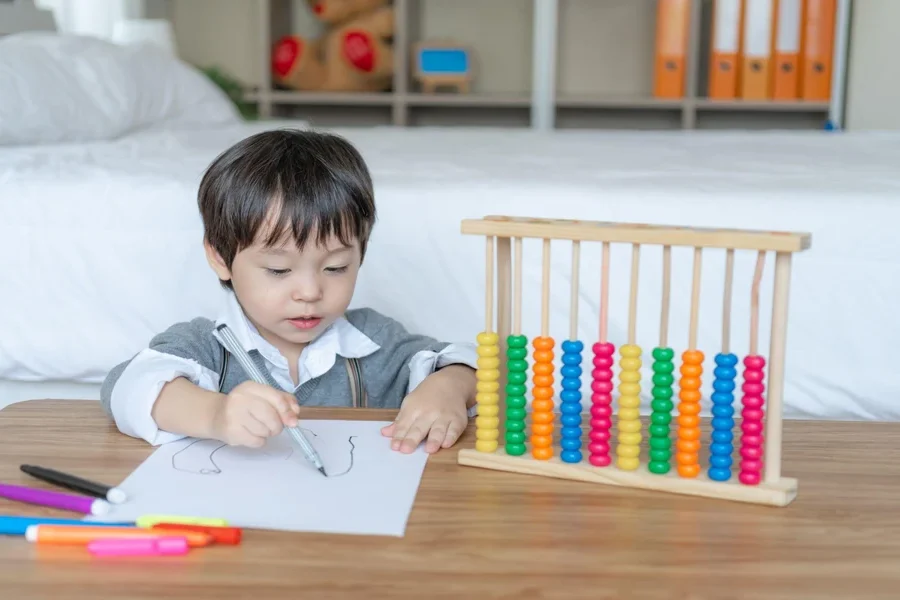
For example, in Mathematics, it is better for a child to understand number bonds using objects, drawings, and examples before moving to written sums. In English, it is better to learn how words form meaning in sentences instead of only memorising spelling lists.
A strong tuition programme should explain ideas clearly and encourage children to think, not just copy steps.
Check the Class Environment
Young children learn best when they feel safe and supported. A class that is too fast, too strict, or too crowded may make them feel anxious.
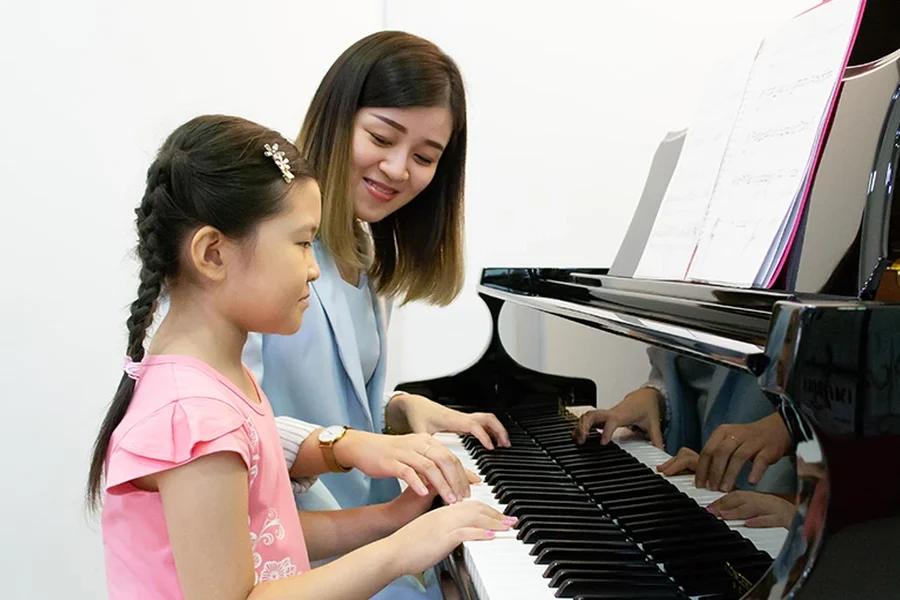
Parents should look for a learning environment where teachers are patient, instructions are clear, and children are encouraged to ask questions. Small group settings may also help children receive more attention.
What Good Primary 1 Tuition Should Support
Primary 1 tuition should help children grow in both academic skills and learning habits. It should support the whole child, not only test results.
Confidence in English
English is important because it affects how children understand instructions, express ideas, and answer questions. Tuition can help children improve their reading fluency, sentence writing, grammar, and comprehension.
Children should also be encouraged to speak clearly and share their thoughts. This helps them become more confident communicators in and beyond the classroom.
Confidence in Mathematics
Mathematics at Primary 1 should feel practical and understandable. Children need to see how numbers work in everyday situations.
A good programme may use examples, visuals, and step-by-step explanations to help children understand concepts. Over time, this builds accuracy and confidence when solving problems.
Better Learning Habits
Good habits are just as important as subject knowledge. Tuition can help children learn how to:
- Read questions carefully
- Check their answers
- Organise their work
- Listen to feedback
- Try again after making mistakes
These habits can support them throughout primary school.
How Parents Can Support Tuition at Home
Tuition is more effective when parents support learning gently at home. This does not mean giving children more worksheets every day. It means creating a calm and consistent routine.
Keep Practice Short and Regular
Young children can lose focus quickly. Short practice sessions are often better than long study hours. Reading a short story, reviewing spelling, or practising a few sums can be enough.
The aim is to build consistency without making learning feel stressful.
Praise Effort, Not Just Scores
Children need to know that mistakes are part of learning. Instead of only praising full marks, parents can praise effort, patience, and improvement.
Simple words like “You tried a new method” or “You checked your answer carefully” can help children build a healthier attitude toward learning.
Stay in Touch With Teachers
Parents should understand what their child is learning and where they may need help. If your child attends a tuition class, ask for feedback on progress, strengths, and areas to improve.
The Learning Lab, for example, supports Primary 1 learners through English and Mathematics programmes that focus on helping children build core academic skills while developing confidence in learning.
When Is the Right Time to Start?
There is no single perfect time to begin tuition. Some children may benefit from starting early in Primary 1, especially if they need help adjusting to school routines. Others may only need support later when parents notice learning gaps.
The right time depends on your child’s readiness. If your child is tired, anxious, or already overloaded, it may be better to start slowly or choose a programme that balances learning with encouragement.
Parents looking for a Primary 1 tuition programme should focus on whether the lessons are age-appropriate, engaging, and suited to their child’s pace.
Final Thoughts
Primary 1 tuition should help children feel more confident, not more pressured. At this age, the most important goal is to build strong foundations, positive learning habits, and a willingness to try.
Before choosing a primary 1 tuition centre, parents should consider their child’s needs, the teaching approach, and the learning environment. With the right support, children can adjust better to primary school and develop skills that will help them in the years ahead.



Leave a Comment