
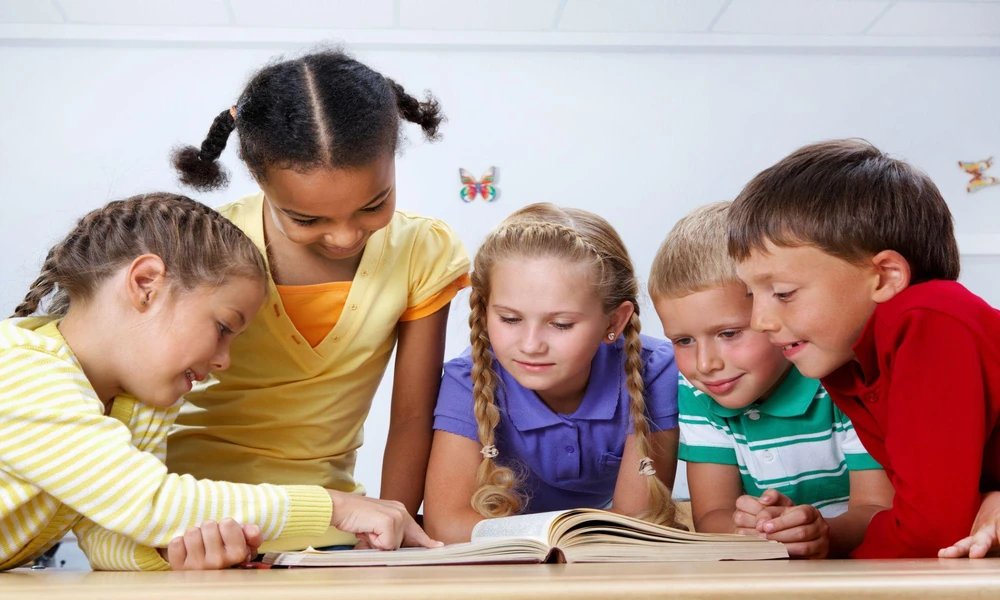

When you step into an early childhood classroom, you might notice the colorful displays, the organized activity corners, or the array of educational toys. However, the true heartbeat of any early learning space lies in something far less tangible: the daily, moment-to-moment interactions between educators and young learners. These subtle human connections transform a physical room into a thriving hub of discovery, emotional security, and cognitive growth. Understanding how educators build these connections in a preschool in Jurong West helps parents appreciate what truly makes a high-quality classroom thrive.
Building the Bedrock: Emotional Safety Sparks Curiosity
Children explore their world with confidence only when they feel secure, valued, and understood. When an educator greets a child with a warm smile, listens intently to a rambling story, or offers gentle reassurance during a moment of frustration, they build a foundation of trust.
This emotional safety directly impacts how children engage with their surroundings. In an atmosphere where young learners feel safe to express themselves without fear of failure, they naturally take intellectual risks. They raise their hands, try difficult puzzles, and make new friends without hesitation.
Key aspects of building emotional security include:
- Active Listening – Lowering oneself to the child’s eye level and acknowledging their thoughts with genuine interest.
- Validation of Feelings – Helping children name their emotions, such as excitement, frustration, or sadness, rather than dismissing them.
- Consistent Encouragement – Praising effort and resilience rather than focusing solely on the final result.
Dynamic Dialogue: Elevating Language and Critical Thinking
Beyond emotional support, the way teachers talk with young learners profoundly shapes intellectual development. Effective educators do not simply deliver instructions or ask simple questions that require a basic ‘yes’ or ‘no’. Instead, they engage in rich, back-and-forth conversations that stretch young minds.
When choosing a preschool in Singapore, parents often look at academic frameworks, but dynamic teacher-child dialogue does far more to build language proficiency. By asking open-ended questions like “What do you think will happen if we add more water to the sand?” or “How can we solve this problem together?”, teachers encourage children to analyse, predict, and express complex ideas clearly.
Co-Creating Knowledge: Turning Everyday Moments into Learning Adventures
Great educators view themselves as co-explorers rather than strict knowledge givers. They observe what captivates a child’s imagination and pivot their teaching to build upon those spontaneous interests.
For instance, if a group of children discovers an earthworm in the garden, a skilled teacher transforms that brief moment into an impromptu science exploration. They ask probing questions, help children find reference books, and guide them in drawing what they observe. Whether a child attends an inner-city centre or a neighbourhood preschool in Jurong West, these responsive interactions make learning deeply meaningful and memorable.
Modelling Social Harmony: Guiding Peer Relationships
Classroom interactions extend beyond the one-on-one bond between a teacher and a student. Educators constantly model social behaviours that shape how children interact with one another. Young learners watch how adults manage stress, resolve conflicts, and show empathy.
When disputes over shared toys arise, a responsive teacher uses the moment as a teachable opportunity. Rather than simply issuing a quick penalty or enforcing a rule, the educator guides the children through constructive dialogue. This collaborative approach teaches conflict resolution, turn-taking, and perspective-taking, laying the groundwork for strong social intelligence.
Nurturing Tomorrow: Final Thoughts
The quality of daily teacher-child interactions ultimately determines how inspiring and effective a learning environment becomes. When educators prioritise warmth, open dialogue, responsive teaching, and strong social guidance, they create spaces where children do not just learn-they truly blossom. Finding an early childhood setting that values these authentic connections gives your child the best possible foundation for a lifelong love of learning.
Frequently Asked Questions
Why are teacher-child interactions more important than physical classroom resources?
While physical resources provide tools for play, teacher interactions provide the guidance, emotional security, and intellectual stimulation that turn those tools into meaningful learning experiences.
How can parents assess teacher-child interactions during a school visit?
Look for educators who sit at eye level with children, use an encouraging tone and language, respond patiently to questions, and foster active participation across the group.
How do positive teacher interactions support children attending a preschool in Jurong West or other local neighbourhoods?
Strong teacher relationships help children feel comfortable and rooted in their local community, building emotional confidence that supports both social integration and academic readiness.
How do teacher interactions prepare young children for Primary 1?
Positive interactions foster self-regulation, communication skills, and critical thinking-essential abilities that help children adapt smoothly to the structured Primary 1 environment.
Experience how dedicated, caring educators make all the difference in your child’s early education. Contact Little Seeds Preschool today!



Leave a Comment