
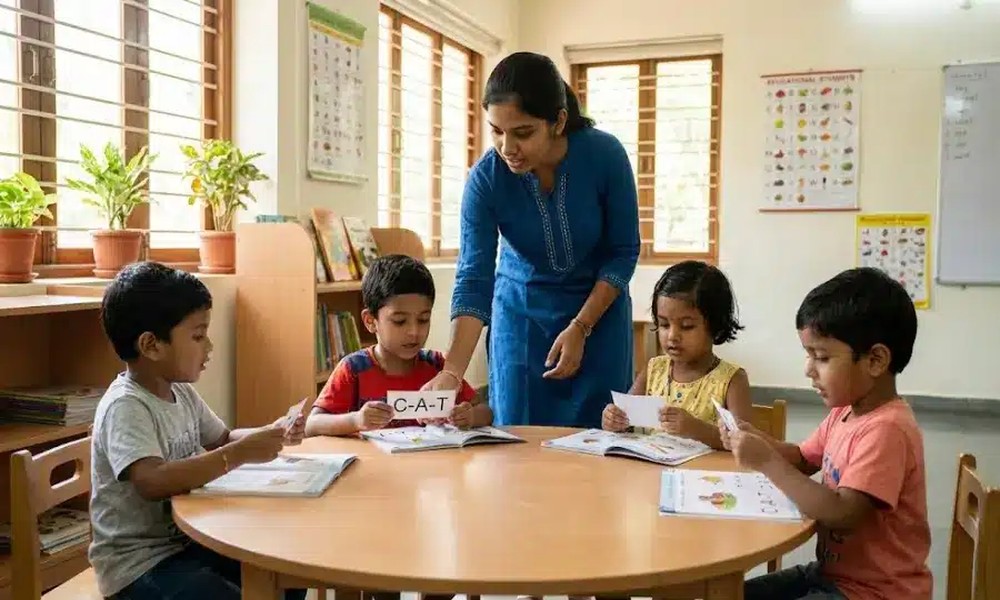

Learning to read is one of the biggest steps in a young child’s life. It opens the door to stories, school learning, clear speech, and stronger self-belief. For many children, this journey starts with sounds.
A phonics class helps children understand how letters and sounds work together. Instead of guessing words, children learn how to break words down, blend sounds, and read with more control.
This can make reading feel less scary. It also helps children feel proud when they can read simple words on their own.
Why Early Reading Confidence Matters
Confidence Shapes How Children Feel About Books
When children feel unsure about reading, they may avoid books. They may say reading is too hard or lose focus quickly. This does not always mean they do not want to learn. It often means they need the right support.
Reading confidence grows when children feel safe to try. They need time, practice, and clear steps. They also need lessons that feel fun, not stressful.
A good early reading setting helps children see reading as something they can do. Small wins matter. Reading one word, hearing one sound, or finishing one short sentence can build real pride.
Early Skills Support Later Learning
Reading is not only used in English lessons. Children need reading for maths questions, science topics, instructions, stories, and daily classroom tasks.
When children build early reading skills, they often find it easier to follow lessons. They can also join class talks with more ease.
Strong early reading habits may support:
- Better word recognition
- Clearer speech sounds
- Stronger spelling
- Better listening skills
- More interest in books
- More confidence in school tasks
What Children Learn In A Phonics Class
Letter Sounds
Children first learn that letters stand for sounds. For example, they learn the sound linked to each letter. This helps them understand that words are built from sound parts.
This step is important because young children may know letter names before they know letter sounds. Knowing the name “B” is useful, but knowing the sound /b/ helps them read words like “bat” or “big”.
Blending Sounds
Blending means putting sounds together to read a word. For example, a child may sound out /c/ /a/ /t/ and then blend the sounds to read “cat”.
This gives children a clear way to approach new words. They do not have to rely only on memory. They learn a method they can use again and again.
Segmenting Words
Segmenting is the opposite of blending. Children break a word into sounds. This helps with spelling.
For example, when spelling “sun”, a child learns to hear /s/ /u/ /n/. This helps them understand how spoken words connect to written words.
Common Word Patterns
As children grow more confident, they learn simple word patterns. These may include CVC words, such as “dog”, “pen”, and “sit”. They may also learn sounds made by two letters, such as “sh”, “ch”, and “th”.
Over time, children begin to notice patterns in words. This helps them read faster and with less stress.
How Phonics Builds Reading Confidence
It Gives Children A Clear Reading Tool
Some children feel lost when they meet a new word. Phonics gives them a simple tool. They can look at the letters, say the sounds, and blend them together.
This makes reading feel more manageable. The child is no longer only guessing. They are using a clear skill.
It Helps Children Read On Their Own
Independence is a big part of confidence. When children can read simple words without constant help, they begin to trust themselves.
They may start pointing out words on signs, labels, books, and worksheets. These small moments show that reading is becoming part of daily life.
It Supports Speech And Listening
Phonics also helps children listen closely to sounds. They learn to hear the first sound in a word, the ending sound, and the sounds in between.
This can support clearer speech and better pronunciation. It can also help children become more aware of how words are formed.
It Makes Spelling Less Confusing
Spelling can feel hard when children try to memorise every word. Phonics helps them hear the sounds in a word and match them to letters.
Not every English word follows a simple rule. Still, phonics gives children a strong base. It helps them understand many common spelling patterns.
What Makes Phonics Lessons Effective
Lessons Should Be Structured
Children learn best when skills are taught in a clear order. They should start with simple sounds before moving to harder blends and word patterns.
A structured approach helps children build one skill at a time. This lowers pressure and gives them time to master each stage.
Lessons Should Be Active And Engaging
Young children learn through movement, play, stories, songs, and hands-on tasks. A phonics lesson should not feel like endless drilling.
Helpful activities may include:
- Sound games
- Letter matching
- Story reading
- Simple word building
- Songs and rhymes
- Picture cards
- Group speaking tasks
These activities help children stay engaged while still learning core reading skills.
Lessons Should Allow Mistakes
Mistakes are part of learning to read. Children need to feel safe when they get a sound or word wrong.
A calm and kind learning space helps children try again. Over time, they become less afraid of making mistakes.
How Parents Can Support Phonics At Home
Keep Reading Practice Short And Positive
Parents do not need long study sessions at home. Short, happy practice often works better.
A few minutes of reading, sound games, or simple word play can help. The goal is to build comfort and interest, not pressure.
Read Aloud Often
Reading aloud helps children hear rhythm, tone, and clear speech. It also builds vocabulary and listening skills.
Parents can ask simple questions during story time, such as:
- What do you think will happen next?
- What sound does this word start with?
- Can you find another word with the same sound?
These small questions help children connect sounds, words, and meaning.
Praise Effort, Not Only Correct Answers
Children need to know that trying matters. Praise can be simple and clear.
For example, parents can say, “You listened carefully to the sounds,” or “You tried to blend that word by yourself.”
This helps children focus on progress.
Choosing The Right Phonics Class
Look For More Than Worksheets
A strong phonics class should build reading skills, but it should also build confidence. Children need chances to speak, listen, read, write, and enjoy language.
This is where an enrichment-led approach can help. Lorna Whiston’s Fun with Phonics programme, for example, uses a structured three-level approach with games, stories, songs, and multi-sensory tasks. This reflects a wider view of English learning, where children build not only reading and spelling skills, but also stronger communication and confidence.
Match The Class To The Child’s Level
Every child learns at a different pace. Some children may still be learning basic letter sounds. Others may be ready for blending, word families, or longer words.
The right class should meet the child where they are. It should not rush them or hold them back.
Final Thoughts
A phonics class can give young children a strong and steady start in reading. It teaches them how sounds and letters work together, so they can read with more confidence.
With the right support, children begin to see reading as something they can enjoy. They learn to try, make mistakes, and try again. Over time, those small steps can lead to stronger reading, better spelling, clearer speech, and greater confidence in using English.