
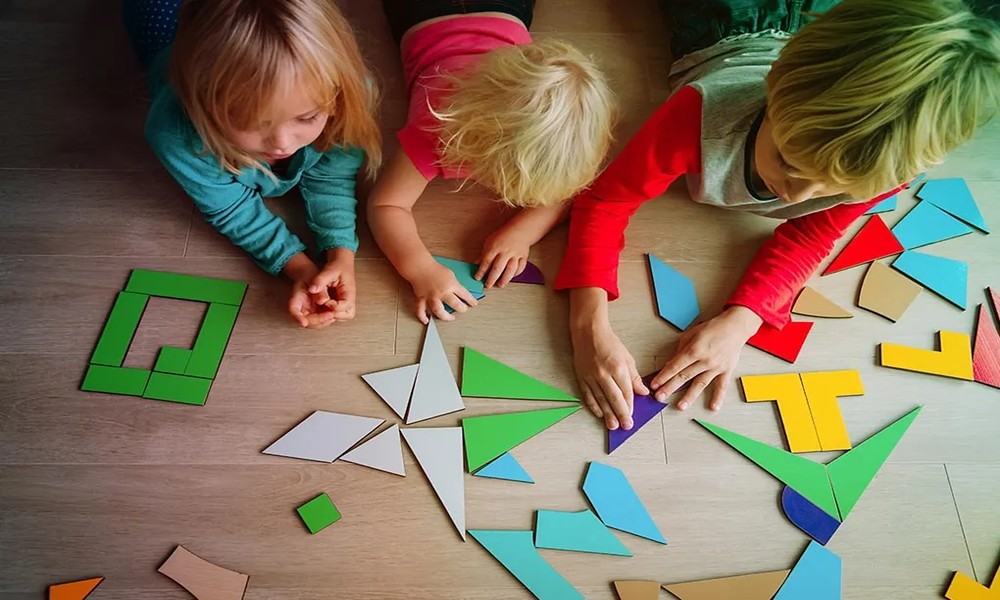

Curiosity lives in every young child. It shows in daily questions and small discoveries. So, this natural drive can guide early learning in gentle ways. Confidence grows when children explore without fear. It grows when effort feels safe and valued. Learning feels joyful when challenges seem like play. This balance supports steady growth in young learners.
Building Curiosity Through Playful Thinking
Young children enjoy simple games with clear goals. They like bright colors and fun shapes. But these games also train the brain in quiet ways. Small puzzles build focus and careful observation over time. Children learn to notice patterns and respond with thought. They connect ideas through playful and creative thinking.
Strengthening Early Problem-Solving Skills
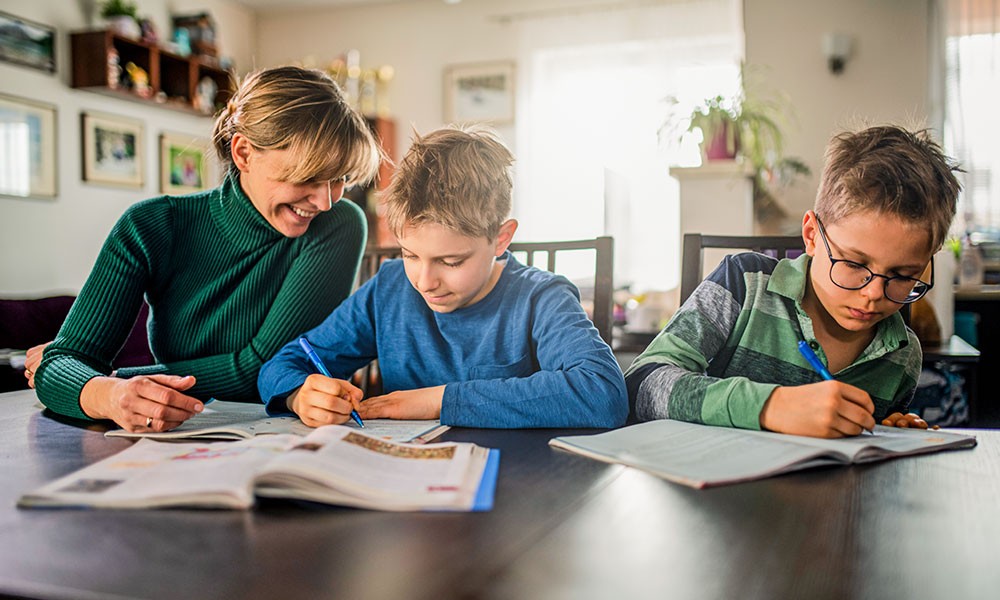
Children can solve problems with simple guidance and support. They enjoy figuring out answers step by step. So structured tasks help them think in a clear order. Matching shapes and sorting colors support early logic skills. These activities build attention and simple reasoning ability.
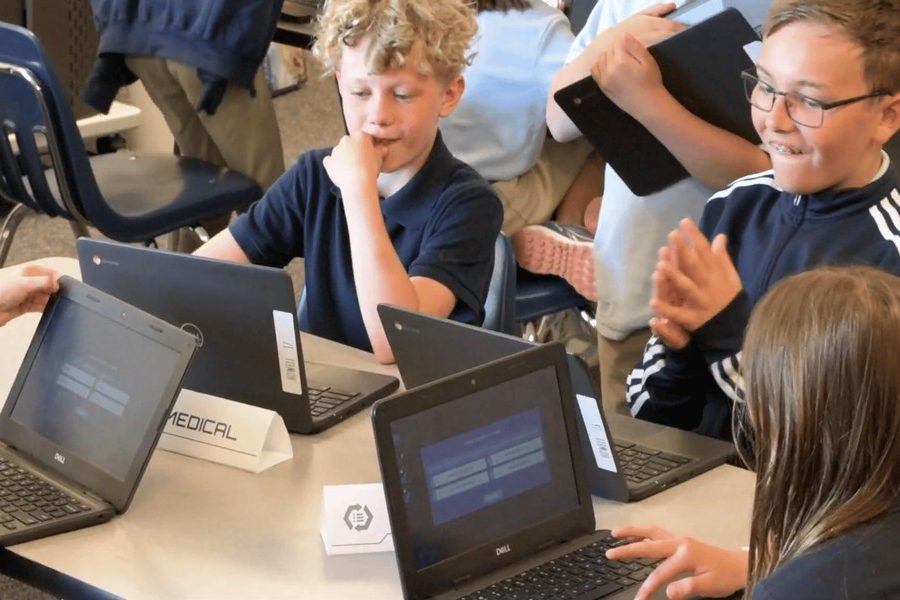
Well-designed problem solving activities for 1st graders help children grow in confidence. These tasks keep learning fun while adding gentle challenge. Children learn to stay patient during each step. Organizations like Mission.io create engaging learning tools that support these early skills. These tools turn learning into an exciting experience.
Encouraging Confidence Through Small Wins
Confidence grows through small and steady success. Children feel proud when they complete simple tasks. So, each success should be noticed and appreciated. Positive words help children believe in their ability. Simple challenges can lead to strong confidence over time. Each solved task adds to self-belief. Children begin to trust their own thinking process. They also learn to accept mistakes with calm minds. This habit supports future learning in many areas. Programs from Mission.io often include step by step challenges that reward effort. These systems help children grow with each small win.
Making Learning Fun and Engaging
Fun is an important part of early education. Children learn better when they enjoy each task. So, learning should feel like play and not pressure. Bright visuals and interactive ideas keep attention strong. Story based games and movement tasks support better learning. They connect imagination with thinking skills in a simple way. Sometimes, fun experiences help children remember lessons for longer. Engagement grows when tasks feel meaningful and lively. Creative learning spaces support both curiosity and focus. They help children stay interested for longer time periods. Platforms like Mission.io design such playful and structured experiences.
Conclusion
Confidence develops through support and joyful challenges. So fun brain tasks can shape strong young learners. Simple play, steady practice, and caring support create deep learning experiences. These elements build a strong base for future growth. When curiosity becomes confidence, children learn with joy and purpose.

Leave a Comment