
Modern classrooms face a fast-changing world. Future careers demand flexible thinkers and creative problem solvers. Many schools now focus on STEM learning. STEM blends science technology engineering and mathematics. This approach builds strong thinking habits. It also connects lessons with real life challenges.
But students often learn best through action. Hands on discovery sparks curiosity and deeper understanding. 6th grade STEM activities offer strong early exposure to problem solving and exploration. Young learners practice teamwork during meaningful challenges. Such experiences build confidence for future careers.
Building Curiosity Through Hands on Exploration
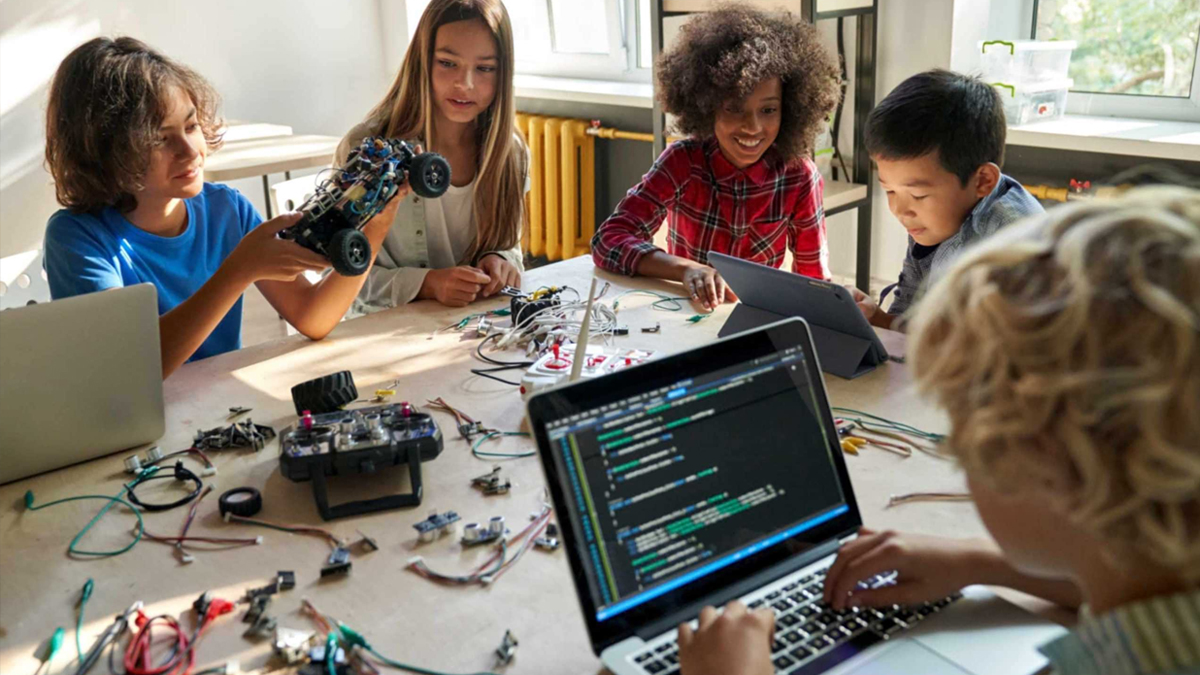
Hands on projects awaken natural student curiosity. Young minds enjoy building testing and discovering new ideas. Learners also test structures and improve designs after careful reflection. Now curiosity grows during active discovery. Lessons feel meaningful and exciting. Students begin asking thoughtful questions. Curiosity leads to deeper investigation. The classroom becomes a creative learning space.
Connecting STEM Skills to Real World Careers
Students simulate real missions using digital learning platforms like Mission.IO during immersive science scenarios that connect classroom learning with modern space exploration careers. So, learners experience science as active discovery rather than memorized facts. Such environments build problem solving habits that future careers require. Some projects explore environmental science. Others examine robotics or space travel. Career awareness grows through these experiences. Students begin imagining exciting future paths.
Promoting Creative Problem-Solving
STEM classrooms nurture mindset through open challenges. Students explore several solutions for each task. Sometimes learners design machines using simple tools and recycled materials that encourage inventive thinking and careful experimentation. Each idea receives thoughtful evaluation. But failure becomes part of the learning process. Students test new designs after mistakes. Persistence develops through repeated improvement. Confidence grows with each success. Mission.IO provides mission driven challenges that encourage teamwork communication and scientific thinking through engaging narrative-based exploration.
Improving Collaboration
Modern occupations need collaboration and communication. STEM activities strengthen these skills. Students solve tough problems collaboratively. Students work together on projects and develop leadership in the classroom. Discussing in groups improves understanding. Simple explanations are used by students. Feedback comes from peers.
Inspiring Lifelong Interest in Science and Innovation
Long term career preparation begins with inspiration. STEM learning nurtures lasting interest in discovery. Students experience science as exploration. Mission.IO also introduces exciting mission-based learning adventures that place students inside interactive scientific challenges connected to space research. Young learners begin seeing science everywhere. Everyday problems become opportunities for investigation. Innovation becomes a natural habit. But inspiration grows gradually through meaningful experiences.
Conclusion
Creative STEM education prepares pupils for future careers. Practical activities foster curiosity, creativity, and tenacity. Collaboration improves communication and teamwork. Classroom knowledge meets career paths through real-world issues. Students gain confidence and flexibility through exciting experiences. These skills lay the groundwork for future scientific and technical achievement.