
Stepping onto the mat for your first flow session can feel equal parts exciting and daunting. In a bustling metropolis where wellness sanctuaries flourish alongside sky-scraping architecture, exploring Vinyasa yoga in Singapore offers the perfect retreat to recharge both body and mind. Known for its fluid movements, rhythmic breathing, and energetic atmosphere, this dynamic practice draws thousands of practitioners daily.
Unpacking the Magic of the Flow
Unlike static styles where you hold poses for long minutes, Vinyasa centres on seamless transitions. Instructors string postures together so that you move continuously from one pose to the next, linking every movement to an inhalation or exhalation. This fluid synchronisation turns your practice into a moving meditation, keeping your mind firmly anchored in the present moment.
When exploring various yoga classes in Singapore, you will quickly discover that Vinyasa stands out for its creative diversity. No two classes follow the same script. One teacher might build a sequence around opening your shoulders for backbends, while another focuses on core strength and arm balances. This constant variation keeps your routine fresh, challenges your muscle groups, and ensures you never experience a dull moment on the mat.
Navigating the Warm-Up, Peak, and Wind-Down
A standard 60-minute session follows a thoughtful physical arc designed to safely warm your muscles before introducing complex movements. You usually begin with gentle breathwork and subtle spine stretches before progressing to high-energy Sun Salutations. As your body temperature rises, the instructor guides you into standing postures, balancing challenges, and core work.
- Initial Centring – Consists of quiet seated breathing and gentle neck/shoulder rolls. This clears mental chatter and prepares your lungs for deep pranayama breathing.
- Sun Salutations – Features repeated fluid cycles of Plank, Chaturanga, Upward Dog, and Downward Dog. This builds internal heat, mobilises joints, and establishes movement rhythm.
- Peak Sequence – Focuses on Standing Warriors, lunges, balancing poses, and targeted backbends. This improves cardiovascular endurance, physical strength, and balance.
- Savasana Rest – Involves final relaxation lying flat on your back in stillness. This allows your nervous system to absorb the benefits of physical exertion.
Dressing and Prepping for the Island Heat
Singapore’s tropical climate adds an extra element of heat to any physical workout. Even inside air-conditioned studios, a dynamic Vinyasa class generates significant internal body heat. Wearing lightweight, moisture-wicking activewear allows your skin to breathe while giving you full freedom to bend, twist, and reach without restriction.
Arrive at the studio about 15 minutes before class starts to complete registration and settle onto your mat. Bring along a reusable water bottle to stay hydrated before and after practice. Many practitioners carrying out Vinyasa yoga in Singapore also pack a small microfiber towel to wipe away sweat during intense sequences. Remember to leave your shoes and socks in the designated cubbies, as yoga is strictly practised barefoot.
Embracing Studio Etiquette and Modifying with Confidence
Entering local boutique studios feels welcoming, provided you respect basic community norms. Switch your mobile phone to silent mode or leave it in the locker area entirely to preserve the peaceful atmosphere. When you enter the studio room, place your mat quietly and give fellow practitioners comfortable breathing room.
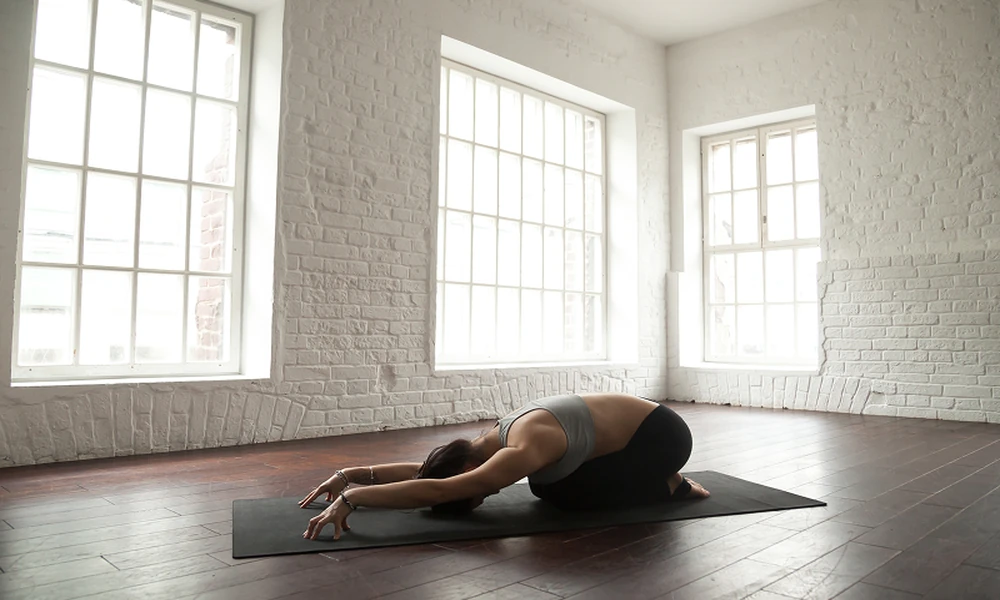
Most importantly, listen to your body rather than competing with the person on the mat next to you. Expert instructors leading top-rated yoga classes in Singapore always offer modifications for beginners alongside advanced options. If a pose feels uncomfortable or overwhelming, rest in Child’s Pose at any time. Taking a moment to breathe and reset demonstrates wisdom, not weakness.
Start Your Flow Journey Today
Taking your first Vinyasa class opens the door to greater physical vitality, improved mental focus, and stress relief. By understanding the class structure, dressing appropriately for the climate, and honouring your personal limits on the mat, you set yourself up for a rewarding experience. Embrace the journey, breathe deeply, and enjoy every step of your burgeoning yoga practice.
Frequently Asked Questions
Do I need to be flexible to start Vinyasa yoga?
Not at all! Flexibility is a result of consistent practice, not a prerequisite. Instructors provide props like foam blocks and cotton straps to help you reach postures safely regardless of your current flexibility level.
How does Vinyasa differ from Hatha yoga?
Hatha yoga focuses on static postures held for several breaths with rests between movements. Vinyasa links postures together dynamically in a continuous, rhythmic flow synchronised directly with your breathing pattern.
What should I eat before attending a class?
Enjoy a light snack like a banana or a handful of nuts roughly 1 to 2 hours before class. Avoid heavy meals right before practice, as dynamic twisting and bending feel uncomfortable on a full stomach.
Contact The Yoga Mandala today to book your first session and step onto the mat with confidence!