
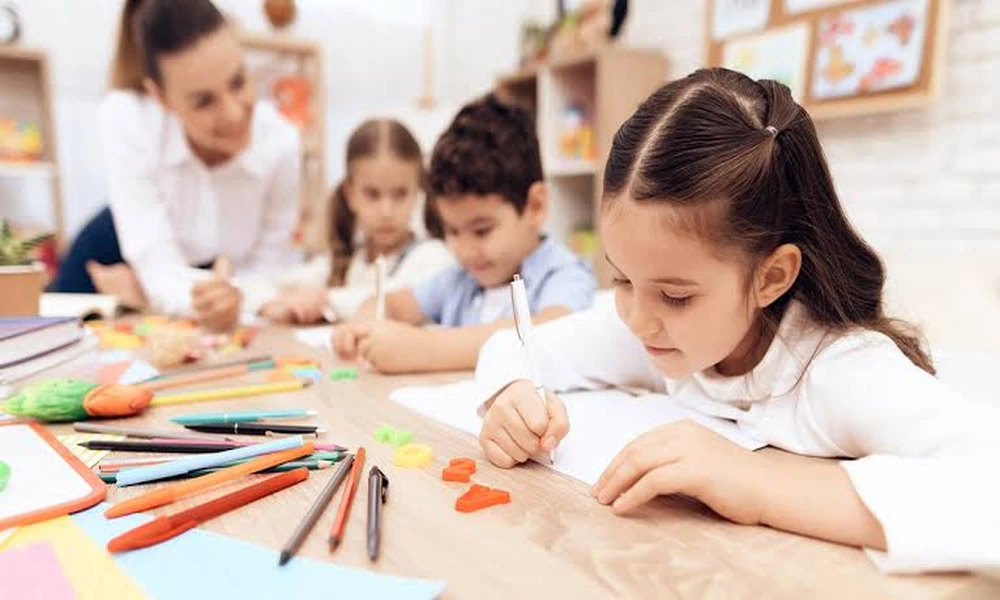

Parents touring a kindergarten classroom sometimes leave a little confused. Where are the desks? Where’s the whiteboard covered in letters and numbers? A room full of building blocks, dress-up corners, and kids moving freely between activities doesn’t look like school. That reaction misses what’s actually happening in front of them.
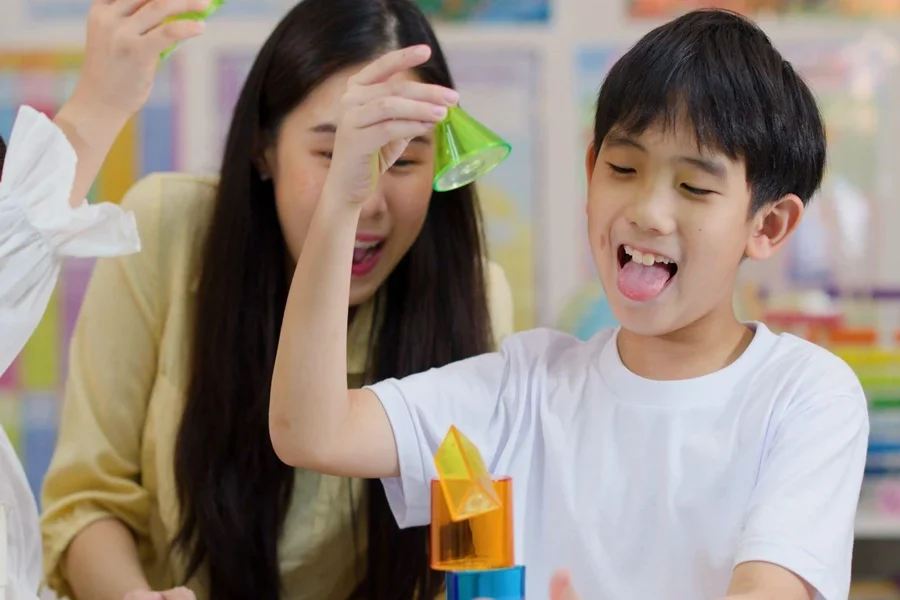
The instinct to judge an early years international school by how “academic” it looks is understandable, and also backwards for children this young. Between roughly three and five years old, play is how communication skills, early number sense, and social confidence actually get built. A child stacking blocks is practicing spatial reasoning. A child negotiating turns in a pretend kitchen is practicing language and self-regulation at the same time. None of that requires a worksheet to count as real learning.
The Areas That Actually Need Covering
A genuinely well-structured early years programme covers more ground than most parents expect walking in. Look for evidence, not just a mention, across each of these:
- Communication and language, including both listening with real focus and speaking confidently in a group
- Personal, social, and emotional development, covering self-regulation and the early skills of building relationships
- Literacy, building toward comprehension, early reading, and early writing
- Early numeracy, including recognising patterns and basic number concepts
- Understanding of the wider world, covering people, culture, and simple ideas about past and present
- Expressive art and design, giving children room to create and be imaginative with materials
Any programme can list these areas on paper. This is the single best way to tell a genuine early years international school apart from one that’s simply printed the right words on a brochure.
Kindergarten Isn’t One Single Stage
Older children within the same broad stage should be visibly building toward more structured group learning, stronger early literacy, and greater independence, in preparation for a more formal classroom setup ahead.
What Readiness for the Next Stage Actually Looks Like
- Growing confidence speaking and listening in a group setting, not just at home with familiar adults
- Basic early literacy and number awareness appropriate for age, not full reading fluency
- The ability to follow simple routines and transitions between activities without significant distress
- Comfort separating from a parent for a full session, a sign of genuine emotional readiness
- Some experience with structured group activities alongside free-choice play
None of these need to be fully mastered by the end of this stage. What matters is a clear, visible trajectory toward them, not a sudden jump from unstructured play to a formal classroom overnight.
The Transition Is the Real Test
The clearest sign an early years programme is working well isn’t a checklist of skills at all. It’s how smoothly a child moves into the next stage without a jarring adjustment period. A programme that’s done its job leaves a child not just knowing some letters and numbers, but genuinely comfortable in a classroom, confident with routines, and ready to engage with more structured learning without the transition feeling like a shock.
Leave a Comment