
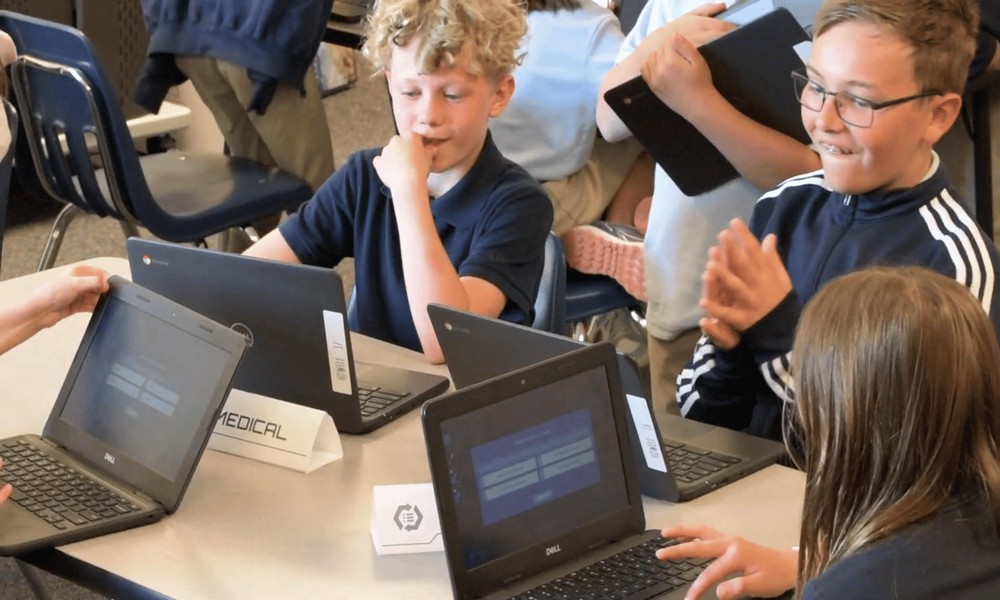

The modern classroom often struggles with passive learning. Students sit quietly but they do not absorb knowledge. Mission.io student engagement activities reviewed show a powerful shift toward active learning. Educators want dynamic tools for daily lessons. Now Mission.io offers an innovative solution for this exact problem. This platform transforms quiet rooms into hubs of energy. Students become active participants instead of bored spectators. The shift changes everything for modern education.
The Problem of Classroom Silence
Traditional teaching relies heavily on long lectures. Teachers talk for hours while students just take notes. This method creates a very passive environment. Sometimes students lose focus within ten minutes. They stare at screens or look out windows. This disengagement hurts overall academic performance. Teachers feel frustrated by the lack of response. Now educators need fresh ways to capture attention.
Passive listening rarely leads to deep understanding. Students forget the information almost immediately after class. But interactive lessons create lasting mental connections. Active learners retain knowledge much better over time. They connect new concepts to previous experiences.
The Power of Instant Feedback
Traditional grading takes days or even weeks. Students hand in papers and then they wait. This delay breaks the natural learning cycle. But live digital tasks change the entire timeline. The software corrects answers in real time. You see your mistakes right away. Then you can correct your thinking immediately.
This instant response loops back into student motivation. Pupils do not feel lost in the dark. They track their own progress across the leaderboard. Sometimes a small mistake sparks a great discussion. Peers help each other correct the technical errors.
The Growth of Team Collaboration
Solitary learning can feel very isolating for youngsters. Children need social connection to thrive academically. Group missions force students to communicate clearly. They share ideas to complete the team goals. Now introverts find their unique voices within small groups. Everyone has a specific role in the mission. No one sits on the sidelines during these tasks.
The Future of Active Learning
Education must adapt to a digital world. Static textbooks can no longer compete with modern media. Dynamic software bridges the gap between entertainment and education. Students look forward to their daily digital challenges. They arrive at class eager to participate. This positive attitude changes the entire school culture.
FAQs
- Can Shy Students Contribute During Live Classroom Challenges?
Small group roles encourage quieter learners to participate confidently.
- How Do Instant Scoreboards Improve Lesson Participation?
Students stay motivated by tracking progress during active sessions.
- Why Are Digital Missions More Memorable Than Lectures?
Interactive tasks create stronger understanding through practical classroom involvement.
- How Do Mission.Io Activities Reduce Classroom Distractions Effectively?
Fast-paced challenges keep students focused throughout the entire lesson.
- Can Mission.Io Exercises Strengthen Teamwork Among Young Learners?
Collaborative missions improve communication, patience, and peer confidence naturally.



Leave a Comment