
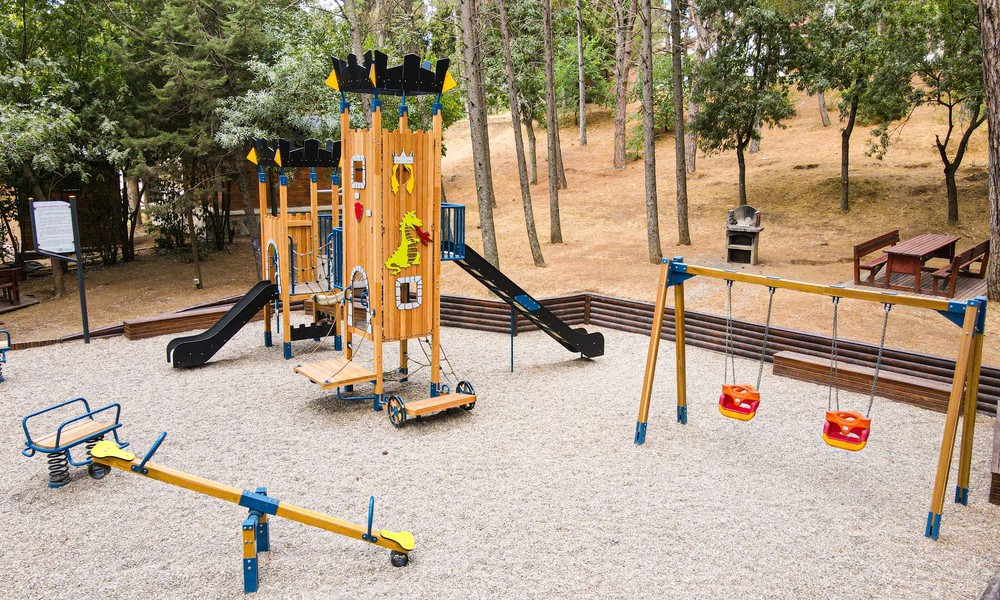

Why Sustainable Playground Furniture Matters
Children’s laughter echoing through parks is timeless, but the impact of the furniture beneath them often goes unnoticed. Sustainable playground furniture reshapes not just play spaces, but the communities and futures they serve.
Environmental Impact of Traditional Playground Materials
Traditional playground equipment has long relied on steel, treated lumber, and plastics, all of which come with a heavy environmental toll. Manufacturing steel and new plastic consumes vast amounts of energy and water. Worse yet, these materials rarely get recycled at a playground’s end of life and usually end up in landfills. Toxic chemical leaching from treated wood or plastic can seep into the soil and surrounding greenery, further amplifying ecological harm. On the other hand, sustainably sourced woods, recycled plastics, and low-impact composites dramatically reduce carbon footprints and eliminate hazardous waste.
Health and Safety Benefits of Eco-Friendly Designs
Parents often worry about scrapes and bruises, but chemical exposure is a silent risk. Eco-friendly playground designs avoid toxic paints, sealants, and materials, making them safer for curious hands and mouths. Surfaces crafted from recycled plastics are not only splinter-free but also resist heat build-up and do not chip easily. This reduces the risk of injuries and keeps temperature-sensitive materials cooler during summer months, offering extra comfort for little explorers.
Economic Advantages Over Time
The sticker shock of eco-friendly playground setups can deter decision-makers at first glance. However, these upfront costs are counterbalanced by years of low maintenance, fewer replacements, and minimal environmental remediation. Recycled plastic and composite structures outlast traditional options, and their durability means fewer repairs. Over time, what appears to be a premium investment evolves into a cost-saving asset for schools and communities.
Case Study: Transforming a Community Park with Sustainable Furniture
Initial Challenges and Objectives
A mid-sized city park faced safety complaints and rising maintenance bills due to rusted metal benches and splintering wood playsets. City leaders set out to revitalize the space with a focus on sustainability and inclusivity.
Selection of Materials and Design Considerations
Eco-friendly vendors were sourced, and the design team prioritized recycled plastic lumber and sustainably harvested timber. Colors were chosen to blend with the park’s trees and plants, creating an inviting, natural feel. The decision to use modular pieces allowed for easy upgrades and repairs in the future.
Community Engagement and Feedback
Local families were invited to test prototypes and offer feedback. Concerns about weathering and durability were addressed by providing data from similar climate regions. Within months of reopening, public surveys reported a 40% increase in park visits, and maintenance requests dropped sharply.
Durability in Action: Long-Term Performance Analysis
Weather Resistance and Maintenance Requirements
Sustainable furniture stands up to rain, sun, and snow with little more than basic cleaning. Unlike metal that rusts or wood that cracks, recycled materials retain color and integrity season after season.
Cost Savings from Reduced Repairs and Replacements
Facility managers reported a significant reduction in annual repair costs. Where traditional benches required replacement every three to five years, their eco-friendly counterparts lasted well beyond a decade with minor upkeep.
User Experience Over Multiple Seasons
Feedback from parkgoers revealed high satisfaction with comfort and safety, even after years of use. Children with allergies or sensitivities faced fewer issues, and parents trusted the stability and cleanliness of the new equipment.
Enhancing Inclusivity Through Sustainable Design
Accessibility Features Integrated with Eco-Friendly Materials
Inclusive playgrounds start with materials everyone can access and enjoy. Ramps made from slip-resistant recycled composites, sensory panels crafted from safe plastics, and smooth pathways all contribute to accessible play.
Real-World Example: Inclusive Playground Success Stories
In one innovative installation, tactile panels and sound elements were incorporated using recycled materials, inviting children of all abilities to interact. The project not only met accessibility standards, but also became a cherished community gathering space.
Impact on Children with Special Needs
Children with physical or sensory challenges benefit from hypoallergenic, smooth surfaces and ergonomic seating. Ensuring playgrounds are both green and accessible sends a powerful message about inclusivity.
The Role of Innovation in Sustainable Playground Furniture
Emerging Materials and Technologies
Material science continues to produce inventive solutions, like composites made from ocean-bound plastics or rapidly renewable fibers. UV-resistant coatings and modular hardware extend the life of every piece.
Case Study: Cutting-Edge Designs That Last
Some of the most resilient designs draw inspiration from nature’s own blueprints. For example, interlocking panels and flexible joints mirror tree structures, absorbing stress and resisting breakage.
Balancing Aesthetics, Functionality, and Sustainability
Play spaces can now be whimsical and colorful without relying on polluting paints or plastics. Expert sources, such as Inspire Play park furniture, offer examples of how modern playgrounds unite beauty, usability, and environmental responsibility.
Implementing Sustainable Playground Solutions: Best Practices
Partnering with Responsible Manufacturers
Choosing reputable suppliers who certify their materials and processes ensures high standards. Ask for third-party verifications and check for sustainability accreditations.
Planning and Budgeting for Longevity
Smart planning considers not just initial costs, but life cycle analysis. Choosing modular designs that can adapt over time stretches every dollar and reduces waste.
Monitoring and Maintaining Sustainable Playgrounds
Regular inspections and community input help keep these spaces safe and enjoyable. Simple cleaning routines and minor repairs extend furniture life without toxic chemicals.
Broader Community and Environmental Benefits
Promoting Environmental Awareness Through Play Spaces
Children notice the difference. Signs explaining the use of recycled materials spark curiosity and instill eco-friendly values early on.
Supporting Local Economies and Green Jobs
Many sustainable playgrounds partner with local manufacturers, generating jobs and reducing transportation emissions. Green design becomes a catalyst for broader community investment.
Inspiring Future Generations to Value Sustainability
The playgrounds children enjoy today shape their values tomorrow. Every sustainably designed bench or swing is a living lesson in stewardship, proving that good design can nurture both play and planet.




Leave a Comment