
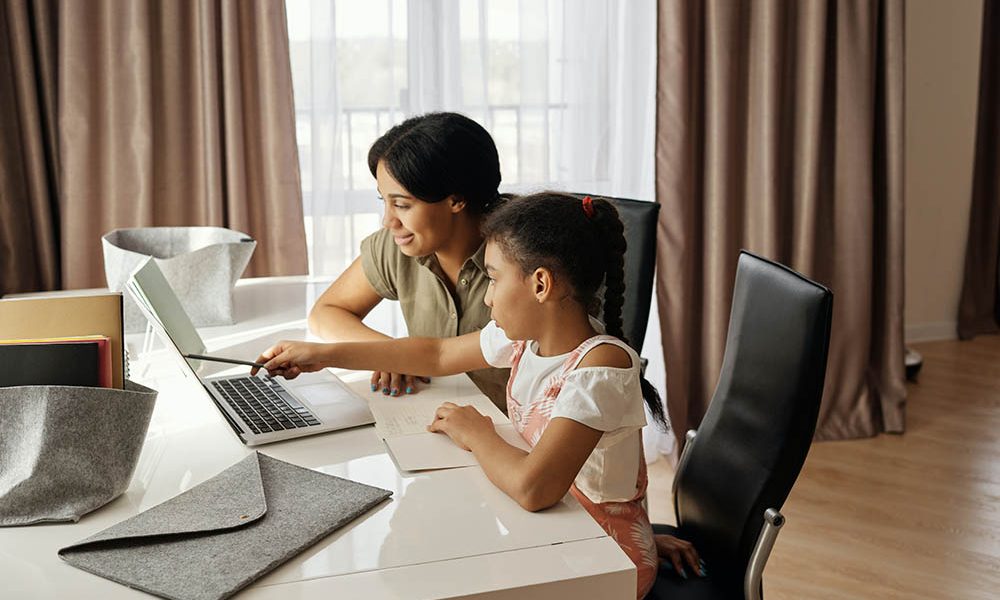

Home schooling has grown steadily as families seek flexible, personalized education options. In regions such as Glamorgan, home education is often shaped by community values, family lifestyles, and access to local learning resources. One of the most important challenges parents face is finding the right balance between structured learning and educational freedom.
Too much structure can reduce creativity and curiosity, while too much freedom can create gaps in academic consistency. A thoughtful balance helps children thrive academically, socially, and emotionally.
Why Balance Matters in Home Education
Structure provides stability and measurable progress, while freedom encourages exploration and independent thinking. In Glamorgan, many home-educating families combine traditional teaching methods with flexible learning approaches to meet individual student needs.
A balanced approach helps students:
- Stay consistent with core academic subjects
- Develop self-discipline and time management
- Explore personal interests deeply
- Maintain motivation and curiosity
The Role of Structure in Homeschooling
Structure ensures that learning goals are met and academic standards are maintained. It provides routine and predictability, which many children need to feel secure and focused.
Key Benefits of Structured Learning
- Clear Academic Direction: Ensures coverage of essential subjects like mathematics, science, and language.
- Progress Tracking: Helps parents monitor development and identify learning gaps early.
- Routine Development: Builds time management and responsibility skills.
- Preparation for Exams or Higher Education: Especially important for older students in Glamorgan preparing for formal qualifications.
Examples of Structure in Daily Home Learning
- Fixed study hours for core subjects
- Weekly lesson plans
- Regular assessments or review sessions
- Scheduled reading and writing practice

The Importance of Freedom in Home Education
Freedom allows students to explore learning in ways that suit their interests, pace, and learning style. In Glamorgan, families often use local history, nature, and cultural experiences as part of flexible learning opportunities.
Key Benefits of Learning Freedom
- Encourages Creativity: Students can explore arts, music, and project-based learning.
- Supports Individual Learning Pace: Fast learners can move ahead, while others can take extra time.
- Builds Intrinsic Motivation: Students learn because they are curious, not pressured.
- Develops Problem-Solving Skills: Independent exploration builds confidence.
Examples of Freedom-Based Learning
- Interest-led research projects
- Outdoor learning activities
- Community-based education programs
- Flexible scheduling based on energy and focus levels
Practical Ways to Balance Structure and Freedom
Achieving balance requires planning. Many successful homeschooling families in Glamorgan use hybrid approaches.
Time Blocking Method
- Morning: Structured core subjects
- Afternoon: Flexible, creative, or interest-based learning
Goal-Based Learning
Instead of rigid schedules, parents set weekly or monthly learning goals. Students then choose how and when to complete them.
Project-Based Learning
Projects naturally combine structure and freedom. For example, a Glamorgan student studying local geography might:
- Research historical landmarks
- Conduct field visits
- Create presentations or reports
Regular Review and Adjustment
Balance is not fixed. Families often review learning methods every few months to ensure children remain engaged and progressing.
Challenges Families May Face
Balancing structure and freedom can be difficult without planning.
Common challenges include:
- Over-scheduling, leading to burnout
- Too much flexibility, leading to missed learning goals
- Difficulty maintaining routine consistency
- Pressure to follow traditional school models
The Long-Term Benefits of Balanced Homeschooling
Students who experience balanced home education often develop valuable life skills, including:
Takeaway
Balancing structure and freedom is one of the most important elements of successful homeschooling. In Glamorgan, families who intentionally combine routine academic learning with flexible exploration opportunities often see strong educational and personal outcomes.
Structure provides stability and academic direction, while freedom supports creativity and independent growth. When these elements work together, home schooling becomes a powerful educational approach that prepares students not only for exams, but for life.
Ultimately, the goal is not to choose between structure and freedom, but to create a learning environment where both can exist in harmony.

Leave a Comment