
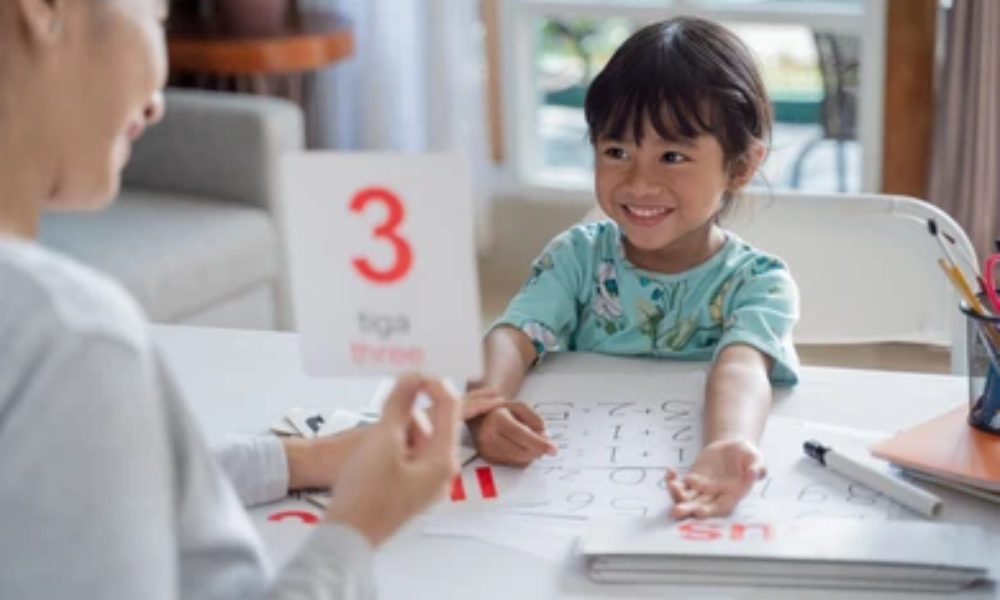

Chester is a historic English city known for its Roman walls, medieval streets, and strong educational heritage. The city blends tradition with modern living, creating a setting where families often value personalised learning pathways and community-based education models.
Across Chester, families are increasingly exploring alternative education methods, including homeschooling, as a way to support personalised development. Discussions around independent thinking, creativity, and emotional confidence have made homeschooling an important topic among educators and parents alike.
Understanding Independent Thinking in Education
Independent thinking refers to a student’s ability to:
- Analyse information critically
- Form personal opinions based on evidence
- Solve problems without constant supervision
- Make responsible learning decisions
In Chester, educational discussions often highlight how learning environments influence these abilities. While traditional schools provide structured learning, homeschooling can offer flexible, individualised learning experiences that encourage self-direction.
Research suggests homeschooling can support creative thinking and social competence development, indicating it may be an effective alternative educational approach for some learners.
Personalised Learning Encourages Autonomy
One of the strongest ways homeschooling supports independent thinking in Chester is through personalised learning.
Key Benefits
- Students learn at their own pace
- Lessons can follow curiosity and interests
- Immediate feedback strengthens understanding
- Students develop self-learning habits
Homeschooling allows parents to tailor teaching methods and content according to each child’s strengths and challenges, supporting deeper subject exploration.
Additionally, reduced classroom distractions can improve concentration and allow students to engage more deeply with learning materials.

Flexible Learning Builds Decision-Making Skills
Flexibility is a defining feature of homeschooling across Chester households.
- How Flexibility Supports Independence
- Students manage their study schedules
- Learning can occur through real-life experiences
- Children participate in goal setting
- Time management skills develop naturally
Homeschooling flexibility enables exploration beyond standard curricula, allowing students to experiment, research independently, and discover personal passions.
Emotional Security Supports Intellectual Confidence
Independent thinking requires confidence. Students must feel safe expressing opinions and exploring ideas.
Homeschooling environments often provide:
- Strong family support systems
- Continuous emotional monitoring
- Reduced academic comparison stress
- Improved communication between the child and the educator
Homeschooling can support emotional well-being through flexible routines and personalised attention, helping students maintain enthusiasm for learning.
When students feel emotionally secure, they are more willing to ask questions, challenge ideas, and think independently.
Social Development and Independent Perspective Formation
A common concern in Chester is whether homeschooling limits social exposure. However, research shows homeschooled students often demonstrate strong social skills and self-control.
Social Opportunities Often Include
- Community clubs
- Sports and arts programs
- Volunteer activities
- Homeschool learning cooperatives
Studies also indicate many homeschooled students show strong leadership, self-esteem, and community involvement levels.
These interactions help children learn to express opinions respectfully and engage in independent discussions.
Real-World Skill Integration Strengthens Practical Thinking
In many Chester homeschooling settings, education blends academic learning with real-life skills.
Examples
- Financial literacy through family budgeting
- Entrepreneurship projects
- Household management responsibilities
- Community service learning
Homeschooling allows real-life skill integration, helping students develop communication, problem-solving, and decision-making abilities.
These experiences strengthen independent thinking because students apply knowledge directly to practical situations.
Balanced Perspective: Challenges to Consider
While homeschooling can support independence, it requires careful planning.
- Potential Challenges
- Limited peer exposure if not supplemented
- High parental involvement requirement
- Need for structured social interaction planning
Experts suggest extracurricular participation is important to ensure strong social development alongside independent learning.
Bottom Line
In Chester, homeschooling is increasingly recognised as a pathway that can nurture independent thinking when implemented thoughtfully. Through personalized learning, flexible schedules, emotional support, and real-world skill integration, homeschooling environments can help students develop strong analytical abilities and self-confidence.
However, successful homeschooling requires balance. When families combine structured learning, community interaction, and personalized education, students are more likely to grow into independent thinkers prepared for future academic, professional, and personal challenges.


Leave a Comment