
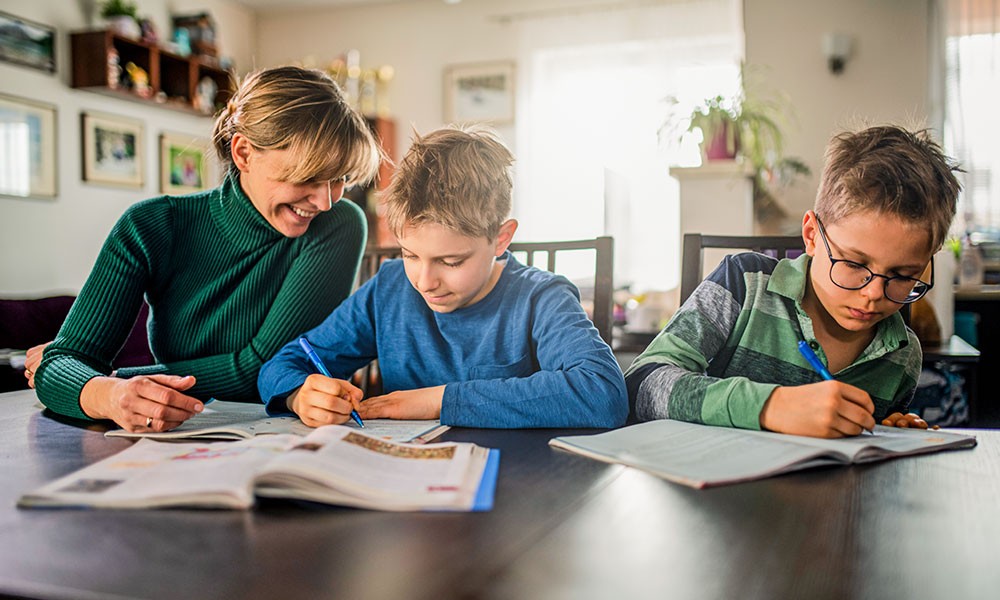

Home schooling is often discussed in relation to academic flexibility, but its influence on social development is equally significant. In many places like Kent, families choosing home education are increasingly focusing on personalized learning and community engagement. Contrary to common myths, research suggests that home-schooled students often develop strong social skills, though sometimes in different ways compared to traditionally schooled peers.
Studies show that home-schooled children frequently perform as well as or better than traditionally schooled students in social skill measurements, including communication, self-control, and relationship building.
Understanding Social Skill Development in Home Education
Social skills refer to behaviors that help individuals interact effectively with others, such as cooperation, empathy, communication, and emotional regulation.
In Kent, many home-educating families intentionally design social opportunities through:
- Community sports programs
- Volunteer projects
- Home education co-operatives
- Cultural and local events
- Mixed-age learning groups
Statistics indicate that 70-80% of home-schooled students participate in group activities and around 75% are reported to have strong social skills.

Social Strengths Commonly Seen in Home-Schooled Students
Home-schooled learners often develop certain social traits more strongly due to their learning environment.
Comfort Communicating With Different Age Groups
Unlike traditional classrooms that group students by age, home-schooled students in Kent often interact with:
- Younger children
- Older peers
- Adults in community roles
This can lead to greater confidence in real-world conversations and professional communication.
Higher Self-Control and Emotional Awareness
Some studies have found home-schooled students scoring higher in overall social skills and self-control.
Possible reasons include:
- Smaller learning environments
- Individualized attention
- Less exposure to peer pressure situations
Strong Community Engagement
Research shows many home-schooled students participate in leadership, volunteering, and service-based activities.
In Kent communities, this often includes:
- Local charity events
- Environmental initiatives
- Youth leadership programs
- Faith or cultural groups
Social Differences That May Appear
While home-schooled students develop strong social skills, the type of social exposure may differ from traditional schooling.
Structured vs. Spontaneous Social Interaction
Traditional schools provide:
- Daily peer interaction
- Exposure to large group dynamics
- Frequent conflict-resolution situations
Home education in Kent often provides:
- Intentional social exposure
- Smaller group settings
- More guided social learning
Neither approach is automatically better, the outcomes depend heavily on family involvement and social planning.
Friendship Patterns
Research suggests home-schooled students often form:
- Fewer but deeper friendships
- Longer-lasting peer relationships
- Stronger family bonds
Some studies also suggest higher-quality friendships and stronger adult relationships among home-schooled children.
The Role of Community in Social Growth
Community engagement is critical to successful social development in home education.
In Kent, strong social outcomes are usually linked to:
- Active participation in local groups
- Regular extracurricular involvement
- Diverse social exposure beyond family
Research generally shows homeschooling does not harm social skill development and may even improve certain social outcomes, though more long-term research is still needed.
Why “Different” Does Not Mean “Deficient”
The key takeaway is that social development is influenced by environment quality rather than school type alone.
Home-schooled students may develop:
- Greater independence in communication
- Comfort interacting across age groups
- Strong self-identity and confidence
- Higher leadership exposure
Traditional school students may develop:
- Fast peer adaptation skills
- Large-group communication abilities
- Social navigation in complex peer networks
Both models can produce socially capable adults when supported properly.
Bottom Line
The social skills of home-schooled students are not necessarily weaker or stronger overall, they are often simply different in structure and experience. In Kent and similar communities, successful home education typically involves strong community integration and intentional social exposure.
When families actively create opportunities for interaction, home-schooled students can grow into socially confident individuals with strong emotional intelligence, communication skills, and community awareness. Ultimately, social development depends less on location of learning and more on the quality of relationships and experiences surrounding the child.

Leave a Comment